Advertising Disclosure: This website contains ads and affiliate links. We may earn a commission from purchases made through these links at no extra cost to you. This helps us maintain the site and continue providing valuable content.
Protein-Rich Scrambled Eggs with Spinach
Fluffy, protein-packed scrambled eggs with nutrient-dense spinach. Easy to digest, quick to prepare, and perfect for maintaining muscle strength.

💚 Nutrition Notes for Seniors
Why This Recipe is Great for You:
- High-Quality Protein: Eggs provide all essential amino acids needed for muscle maintenance and repair.
- Easy to Digest: Soft, scrambled texture is gentle on the stomach and easy to chew.
- Iron-Rich Spinach: Helps support healthy blood and energy levels.
- Vitamins & Minerals: Packed with vitamin D, B12, folate, and calcium.
- Quick Energy: Provides sustained energy without feeling heavy.
- Brain Health: Contains choline, important for cognitive function.
Ingredients
- 2 large eggs
- 1 tablespoon milk (any type) or water
- 1 cup fresh spinach, roughly chopped
- 1 teaspoon butter or olive oil
- Pinch of salt
- Pinch of black pepper
- Optional: 1 tablespoon shredded cheese (cheddar, Swiss, or mozzarella)
🔄 Easy Substitutions
- No fresh spinach? Use ½ cup frozen spinach (thawed and squeezed dry)
- For softer texture: Use 3 eggs for extra fluffiness
- Dairy-free: Replace butter with olive oil and skip the cheese
- Extra vegetables: Add diced tomatoes or mushrooms
- Lower cholesterol: Use 1 whole egg + 2 egg whites
Step-by-Step Instructions
- Prepare the spinach: Rinse the fresh spinach under cold water and pat dry with a paper towel. Roughly chop it into smaller pieces so it's easier to eat. If using frozen spinach, make sure it's completely thawed and squeeze out excess water.
- Beat the eggs: Crack the eggs into a small bowl. Add the milk or water, salt, and pepper. Whisk vigorously with a fork for about 30 seconds until the eggs are well combined and slightly frothy. This creates fluffier scrambled eggs.
- Heat the pan: Place a non-stick skillet over medium-low heat. Add the butter or olive oil and let it melt, swirling to coat the bottom of the pan. Medium-low heat is key for soft, creamy eggs.
- Cook the spinach: Add the chopped spinach to the pan and cook for 1-2 minutes, stirring occasionally, until it wilts and reduces in size. The spinach should be soft and bright green.
- Add the eggs: Pour the beaten eggs over the spinach. Let them sit undisturbed for about 10 seconds, then gently push the eggs from the edges toward the center using a rubber spatula. Continue this gentle pushing motion, allowing uncooked egg to flow to the edges.
- Cook to desired texture: Continue cooking and gently stirring for 2-3 minutes until the eggs are mostly set but still slightly moist. They will continue cooking after you remove them from the heat. If using cheese, sprinkle it on now.
- Serve immediately: Transfer the scrambled eggs to a plate right away. Let them cool for 1 minute to a comfortable eating temperature, then enjoy while warm and fluffy.
👵 Tips for Easier Chewing & Digestion
- Cook eggs until fully set but still soft - not dry or rubbery
- Chop spinach into very small pieces for easier eating
- Use low heat to keep eggs tender and easy to digest
- Avoid overcooking - eggs should be moist and creamy
- Let cool slightly before eating to prevent burning mouth
- Pair with soft whole wheat toast for easier swallowing
- Eat slowly and chew thoroughly
💡 Helpful Cooking Tips
- Perfect texture: Remove eggs from heat when slightly undercooked - they'll finish cooking on the plate
- Prevent sticking: Use a non-stick pan and keep heat at medium-low
- Extra fluffy: Add an extra splash of milk and whisk vigorously
- No rubbery eggs: Never cook on high heat
- Boost flavor: Add a pinch of garlic powder or dried herbs
- Make ahead: Not recommended - eggs are best served fresh
Storage & Serving Suggestions
⚠️ Important Health Notice
This recipe is provided for general informational and cooking purposes only. It is not medical advice, a nutritional prescription, or a treatment recommendation. Individual dietary needs vary greatly, especially for those with health conditions, allergies, or special requirements. Always consult with your doctor, registered dietitian, or healthcare provider before making significant changes to your diet. If you have specific health concerns or dietary restrictions, please seek personalized professional guidance.
More Breakfast Recipes You'll Love
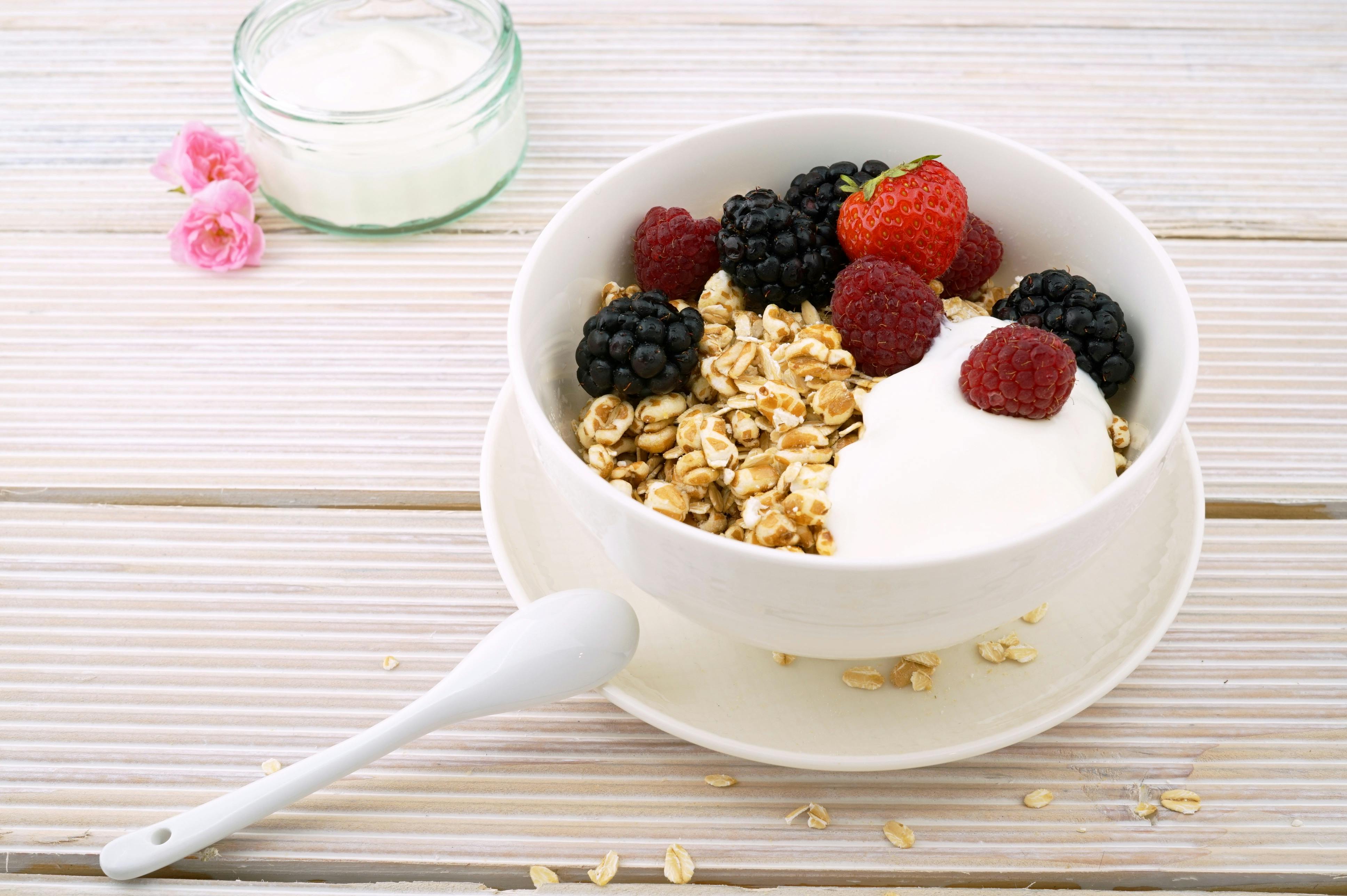
Easy Oatmeal with Berries
Heart-healthy, high fiber breakfast that's gentle on digestion.
View Recipe
